For nearly thirty years, the absolute gold standard of residential real estate and home remodeling could be summarized in three words: tear down walls. Homebuyers routinely prioritized wide-open sightlines, demanding spaces where the kitchen, dining room, and living area flowed into one massive footprint.
However, tastes and daily lifestyle needs are undergoing a major architectural shift. While homeowners still love the bright, airy feel of natural light, they are increasingly pushing back against the challenges of completely open boxes. Total exposure means that kitchen clutter is always on display, televisions compete with cooking blenders, and finding a quiet spot for a remote work call is challenging.
Enter the era of the broken floor plan
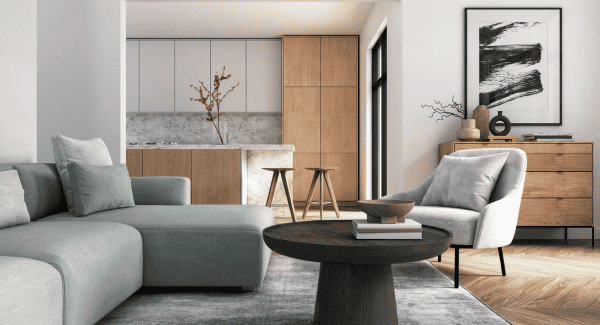
This hybrid layout delivers the best of both worlds, offering the connected, spacious feel of an open concept while using clever architectural elements to protect privacy, sound, and functionality. It is a smarter way to zone a home, and it is quickly becoming a major selling point in today’s real estate market.
Here is a look at why the broken floor plan is capturing the attention of buyers, along with a few ways to introduce this balance into your own home.
The problem with wide-open living
Open concept style living can be tough to live with day-to-day. The primary complaint from modern families centers on acoustics. Hardwood floors, stone countertops, and a lack of interior walls act as a natural amplifier for sound. If someone is washing dishes in the kitchen, it becomes difficult to hear the television in the living room or concentrate on a laptop at the dining table.
Additionally, open concepts offer zero hiding places. If you host a dinner party, your guests have a front-row seat to the messy pots and pans sitting by the sink. A broken floor plan solves these functional flaws without sacrificing the sense of space that modern buyers crave.
How to achieve the “broken plan” look
A broken floor plan does not mean returning to the dark, maze-like hallways of the early twentieth century. Instead, it relies on subtle, sophisticated design markers to establish where one room ends and another begins.
- Oversized cased openings and archways: Instead of removing an entire load-bearing wall between the kitchen and dining area, designers are opting for extra-wide framed openings or elegant arches. This keeps traffic flowing smoothly while providing just enough wall structure to visually separate the rooms.
- Glass partitions and pivot doors: Interior glass walls or black-framed doors are a favorite choice for home offices and flex spaces. They allow natural daylight to travel uninterrupted from one side of the house to the other while providing full acoustic privacy when closed.
- Half walls and double-sided fireplaces: A low half wall between a living space and a kitchen creates a perfect spot to position furniture or build in extra storage, all while keeping sightlines open. Similarly, a central double-sided fireplace acts as a gorgeous architectural anchor that divides a large room into two distinct, cozy seating zones.
- Ceiling-plane changes and floating shelves: Sometimes, you do not need a wall at all. Lowering the ceiling profile over a dining table or using open, double-sided shelving units can create a psychological boundary that immediately signals a shift in the room’s purpose.
The real estate value of purposeful layouts
If you are preparing your home for the market, understanding these layout trends can help you maximize your return on investment. Buyers are looking for homes that accommodate multi-generational living, remote work, and comfortable entertaining. Homes that feature dedicated, purposeful zones often command a premium because they match the practical realities of modern life.
Before you plan a major renovation or list your property, connect with a local Howard Hanna Allen Tate agent. Our team can look past the staging to help you evaluate your home’s layout, determine how local buyer trends impact your asset value, and position your property for a successful debut.
______________________
Howard Hanna Allen Tate Real Estate is the #1 real estate company in the Carolinas, with more than 80 offices and 2,000 agents serving communities across North and South Carolina and Georgia. As part of Howard Hanna Real Estate Services, the largest family-owned and operated real estate company in the United States, Howard Hanna Allen Tate offers a full suite of real estate services, including mortgage, insurance, title and relocation. For more information, visit www.howardhannatate.com.